Madaraka Day 2026: Emotions without accountability cannot heal historical injustice
By Aloys Michael, June 1, 2026President William Ruto’s emotional apology to the people of North Eastern Kenya during the Madaraka Day celebrations in Wajir was intended to convey empathy and recognition of a region that has long complained of neglect and underdevelopment.
Few would dispute that parts of North Eastern Kenya have historically lagged behind other regions in infrastructure, public services, and economic opportunities. Acknowledging that reality is important.
However, acknowledgement alone is not accountability, and emotional appeals cannot substitute for justice.
The president’s message risks becoming a distraction from a much more uncomfortable conversation: what happened to the billions of shillings allocated over the years to address these inequalities precisely?
For more than a decade, devolved governments have received substantial allocations through the equitable share of national revenue.

In addition, the Equalisation Fund was specifically established to accelerate development in marginalised areas. If marginalisation remains as severe as political leaders repeatedly claim, then citizens have every right to ask where the money went and who should be held accountable for the results.
That is the question missing from the speeches, as historical marginalisation has become a convenient political explanation for present-day failures. It is cited whenever roads remain poor, healthcare facilities are inadequate, schools are under-resourced, or water projects stall.
Yet too often the discussion ends there, as though invoking history absolves current leaders of responsibility. It does not.
Kenya cannot continue treating underdevelopment as a permanent inheritance while ignoring the management of resources allocated to solve it. Citizens deserve more than symbolic gestures.
They deserve transparent audits, measurable outcomes, and consequences for those who misuse public funds.
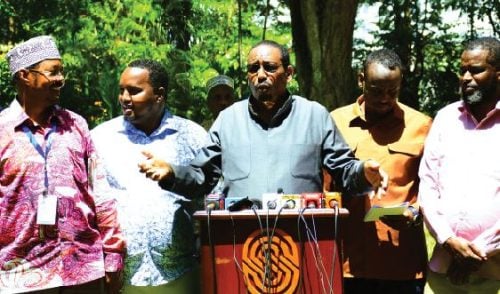
The most meaningful apology to North Eastern Kenya would not come through emotional speeches. It would come through action. It would involve identifying failed projects, publishing expenditure records, strengthening oversight institutions, and ensuring that anyone found responsible for looting or mismanaging public resources faces the full force of the law. Accountability is the language that communities understand because it produces tangible results.
What made the spectacle in Wajir even more striking was the presence of numerous political leaders who routinely appear before citizens during national celebrations and campaign seasons, yet remain largely absent when difficult governance questions arise.
Too many elected officials engage with their constituents only when it is politically convenient, behaving less like representatives and more like occasional tourists in the communities they were elected to serve.
North Eastern Kenya deserves development. It deserves investment. It deserves equal opportunity and inclusion. But it also deserves honesty. If billions have been allocated in the name of ending marginalisation, then Kenyans deserve a full accounting of how those resources have been used.
In the end, history matters. But accountability matters more. Emotional speeches may capture headlines for a day. Transparent governance, responsible stewardship of public resources, and consequences for corruption are what change lives.
Until those become the priority, apologies will remain symbolic exercises, powerful in appearance, but limited in impact.