Is Kenya prepared for escalating floods? Heavy rains, Nairobi devastation and El Niño threat raise alarm
By Ndiritu Wanjiru, May 1, 2026A prolonged and extreme rainfall event has now put Kenya on the brink of another flood emergency, prompting questions about the country’s readiness and resilience in the face of climate change.
The Kenya Meteorological Department has reported that the current March-May long rains have brought above-average rainfall, with many areas experiencing heavy rainfall over extended periods, surpassing historical averages.
The department has been on constant alert to rain events exceeding 20mm in 24 hours occurring in various parts of the country, a clear sign of an increasingly erratic weather pattern influenced by climate variability.
While rainfall events in past seasons have been more isolated, this pattern has been both heavy and broad, affecting western Kenya, the Rift Valley, the central highlands, the coast and urban areas at the same time.
This pattern reflects a growing trend towards shorter, more intense rains that are more likely to cause flash flooding and overwhelm existing infrastructure that is vulnerable to extreme weather events.
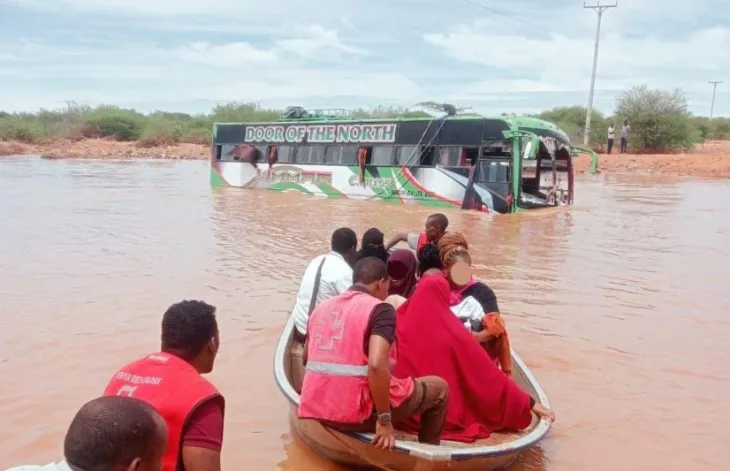
Heavy rains have repeatedly crippled Nairobi. During one of the worst such events, the capital received almost a month’s worth of rain in a single day, causing roads, houses and businesses to be flooded.
Major roads like Mombasa Road and Uhuru Highway became inaccessible, and rivers like the Nairobi River overflowed, sweeping away vehicles and putting people at risk of drowning. Jomo Kenyatta International Airport also closed due to the flooding, highlighting the severity of the events.
The floods have also affected over 30 counties, with severe flooding reported in western Kenya (Kisumu and Bungoma) and coastal regions (Mombasa and Kwale), as well as central and eastern Kenya (Murang’a and Kirinyaga).
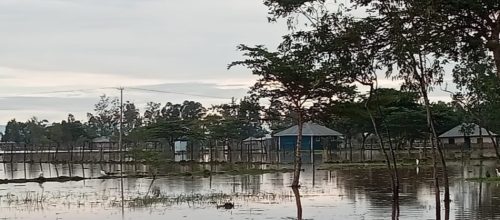
In these areas, farms have been underwater, families have been evacuated, infrastructure has been damaged, and landslides have plagued highland areas. Across the country, the floods have led to loss of lives, displacement and disruption of livelihoods, especially to those reliant on agriculture.
Lack of preparedness
As extreme as the rainfall has been, the flooding also highlights underlying vulnerabilities. In Nairobi, decades of unplanned urban development have resulted in the encroachment of riparian areas and wetlands, diminishing their capacity to absorb rainfall.
Waste mismanagement has also contributed, with clogged drains converting light rainfall into floods. Urban development has also not kept up, with stormwater systems failing to keep up with the increasing intensity of rainfall.
Land degradation in major water catchment regions like the Aberdare ranges and Mount Kenya has also contributed to the problem by reducing soil infiltration and increasing runoff into rivers and towns. These challenges, alongside lax enforcement of environmental laws, have led to what have been potentially manageable rains becoming a national crisis.
Health advisories have also been raised to prevent water-borne diseases. But while these measures have been taken, there have been calls for a more proactive approach. Measures like cleaning out drainage channels and removing structures encroaching on rivers or streams have frequently come too late, suggesting deficiencies in proactively planning and implementing measures.
Impending El Niño
The situation is further complicated by new predictions from the Kenya Meteorological Department suggesting the potential onset of El Nino conditions between May and July 2016. If this were to occur, it would lead to even wetter conditions later in the year, further elevating the risk of flooding, landslides and structural damage. While these predictions are still variable, the possible combination of current heavy rainfall and a more intense El Niño event is cause for concern.
This poses an important question for Kenya. Although there has been progress in disaster response and management, we know that preparedness measures – especially in urban development, drainage systems, and environmental protection – need to be enhanced. The ongoing floods have already overwhelmed response mechanisms, and a worsening of the situation due to El Niño could exacerbate it, resulting in increased displacement, economic impact, and strain on public resources.
In all, the current situation underscores the gap between warnings and preparedness. The weather forecast has been early, but without commensurate infrastructure and enforcement of land-use policies, it is ineffective.
As Kenya enters the last half of the rainy season, with the potential for even more extreme rainfall, it is imperative to transition from reactive to proactive measures against a situation that is becoming the norm.