First Mpox case in Embu tests county’s disease surveillance network
By Lavender Kusimba, June 1, 2026The confirmation of Embu County’s first Mpox case has put the spotlight on the growing challenge of infectious disease surveillance in an era of increased movement between counties and heightened public health risks.
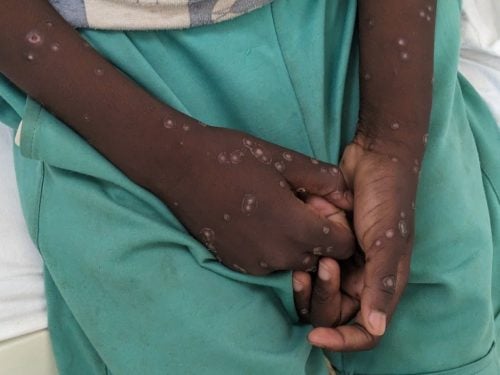
Health officials confirmed that a 29-year-old woman from Kagaari North Ward in Runyenjes Sub-County tested positive for Mpox after recently travelling from Murang’a County. The case, confirmed by the Public Health Laboratory, marks a significant moment for Embu’s healthcare system as authorities race to prevent further transmission.
While only one case has been confirmed, public health experts often view such incidents as critical tests of a county’s ability to detect, track and contain emerging diseases before they escalate into larger outbreaks.
In response to the confirmed infection, Embu County has activated a series of containment measures designed to stop the disease from spreading.
“The Embu County Department of Health has launched a series of containment measures aimed at preventing further spread of the disease,” said Chief Officer for Health Henry Nthiga.
According to Nthiga, the county has initiated contact tracing, case investigations, active case searches and intensified public awareness campaigns in collaboration with the Ministry of Health.
The swift response highlights the importance of surveillance systems that can quickly identify infections and trigger action before community transmission occurs.
The case also illustrates how interconnected counties have become. The patient had recently travelled from Murang’a County, demonstrating how population movement can accelerate the spread of infectious diseases across administrative boundaries.
Public health specialists note that diseases do not recognize county borders. As people travel for work, education, trade and family commitments, counties must increasingly work together to monitor and respond to health threats.
Outbreak preparedness under scrutiny
The emergence of Mpox in Embu comes at a time when Kenya continues to strengthen its preparedness against outbreaks. Lessons learned from previous public health emergencies, including COVID-19 and other infectious disease threats, have reinforced the need for rapid detection and coordinated response mechanisms.
Health officials are now focusing on identifying individuals who may have come into contact with the patient while also educating residents about prevention measures.
Nthiga urged residents to remain vigilant and promptly report any symptoms associated with Mpox to the nearest health facility.
The health official noted that Mpox can spread through close physical contact with an infected person, contact with contaminated materials, exposure to respiratory secretions, or interaction with infected animals.
Public awareness is expected to play a crucial role in containing the disease. Experience from previous outbreaks has shown that misinformation and delayed reporting can hamper containment efforts, while timely reporting and community cooperation significantly improve response outcomes.
The county government has sought to reassure residents that the situation remains under control.
“The county government has assured the public that surveillance teams are actively monitoring the situation and implementing necessary interventions to contain the outbreak and safeguard public health,” Nthiga said.
For residents of Embu, the first confirmed case serves as a reminder that disease outbreaks can emerge unexpectedly and that public health preparedness requires a collective effort from both authorities and communities.
Health experts emphasize that vigilance, rather than panic, is the most effective response. Residents have been encouraged to maintain recommended hygiene practices, avoid unnecessary close contact with individuals showing symptoms, and seek immediate medical attention if they develop signs consistent with Mpox.
As surveillance teams continue monitoring the situation, Embu’s first Mpox case will likely be remembered not only as a public health alert but also as a test of the county’s readiness to detect and contain emerging diseases in an increasingly mobile society.
The coming days will be critical in determining whether the swift interventions currently underway can prevent further infections and demonstrate the strength of Kenya’s devolved health response systems.