A protest nation: Have demonstrations become the only language govt understands?
By Ndiritu Wanjiru, June 2, 2026Rights in Kenya are increasingly being ignored, and people are forced to take to the streets to make their voices heard. There is a worrying trend in public picketing, which seems to be the most effective means of inducing a response from the government authorities, from fuel price protests to anti-femicide marches to demonstrations against public health projects and anticipated resistance to the Finance Bill 2026.
Peaceful assembly and protest are a fundamental part of democratic government. While demonstrations are the most common means by which citizens seek attention from the government, deeper questions about the effectiveness of public participation, stakeholder engagement, and responsiveness of state institutions are raised.
The nation has seen this growing trend recently, through various events.
In the past few weeks, demonstrations over pressing issues have become the order of the day.
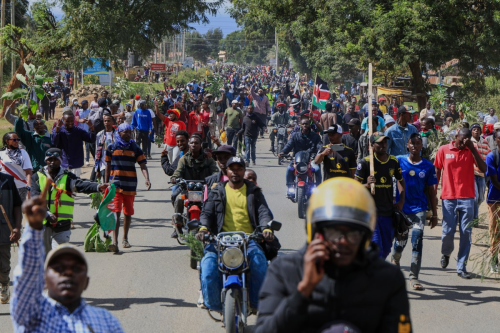
Fuel prices protests
In the month of May 2026, motorists and transport operators expressed outrage over the price increases in Petrol and Diesel prices in May, as the cost of living is continuing to rise due to frequent price hikes.
The protests were a sign of the general discontent of families facing soaring food prices, costly transport and economic uncertainty.
Public concerns relating to fuel cost had been expressed in many different ways, but only when public sentiment started to grow did government officials take steps to clarify and justify the pricing system.
Protest against the Ebola quarantine facility
On Monday, June 2, 2026, Nanyuki residents were protesting plans to build a quarantine facility in Laikipia County. The protesters objected to the lack of public consultation and expressed a desire for more transparency on the project’s objectives, safety protocols, and its effects on the community.
The demonstrations brought to light a common issue in public administration: that citizens are not included in decision-making processes that directly impact their communities.
The protests highlighted the need for meaningful public dialogue about decisions before undertaking large projects, even if the concerns were not scientifically based.
Protest over increased Femicide
Perhaps the most moving instance of citizens taking to the streets in protest against government inaction over the years had been the anti-femicide protest in Nairobi.
Hundreds of Kenyans protested in the streets on Monday, June 2, 2026, for more actions to be taken on the rampant gender violence and killing of women. Activists said that though authorities have repeatedly promised to seek justice for victims, it was still not being achieved, and prevention mechanisms were weak.
The protests managed to spark a rejuvenation in a national discourse on the issue of women’s safety that had been dormant since then, forcing the leaders to come out into the open again on the matter.
Projected protest against Finance Bill 2026
The spotlight is now on the Finance Bill 2026, which will likely lead to another round of protests in June. Some of the proposed tax provisions in the bill would burden “already stressed” families and businesses, critics say.
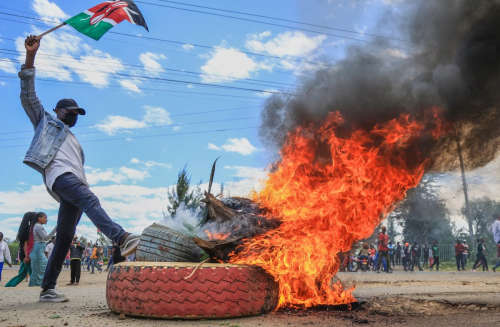
People from civil society, activists, and ordinary people are rallying against perceived punitive taxation. The expected demonstrations are similar to those seen when the finance bill was previously debated, in which public protests were heard and resulted in the rethinking of some provisions.
Together, these incidents highlight a sense of disempowerment in terms of Kenyans’ sense that traditional avenues for engagement are either ineffective or unheard.
Overlook over public participation
Public participation forums, memorandum submissions, stakeholder consultations, and community meetings are increasingly seen as formalities unlikely to affect decision-making. Citizens have consequently learned that demonstrations are the only means that can achieve instant political attention.
The trend has important governance implications. An activist government will respond to a street protest; otherwise, it could set a dangerous precedent.
It can inadvertently foster the idea that citizens have no need for formal grievance channels and are entitled to march in the street whenever a grievance emerges.
This can create a “post-trust atmosphere” that undermines institutions and diminishes public confidence in democratic processes aimed at promoting interaction between the state and its citizens.
The big question for Kenya, as it readies itself for another polemic on the Finance Bill 2026, is why do Kenyans need to go on a picket to be heard? It is not the protests per se that may be the problem, but the increasing divide between what the people expect and what the government responds to. So long as this divide persists, demonstrations will be part and parcel of Kenya’s democracy.
It’s not the number of protests a democracy has that makes it a healthy democracy; it is how it listens before people march.