Advertisement
Willis Otieno blasts SHA registration policy as unfair to the poor
Wednesday 25th March, 2026 11:55 AM|
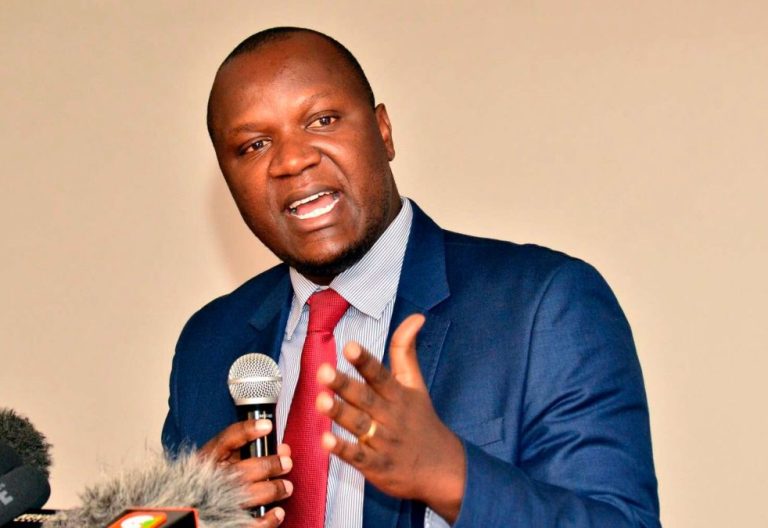
Safina Party Deputy Party Leader Willis Otieno has criticised the controversial mandatory registration for the Social Health Assurance (SHA) scheme. Otieno has raised concerns that it prioritises control over actual healthcare provision.
Taking it on his X handle on Wednesday, March 25, 2026, Otieno said the government is misusing the SHA system to coerce citizens. He highlighted that the approach undermines trust in public health initiatives and disproportionately affects low-income households, who cannot afford the full payment upfront.
“There’s something deeply sinister about Kasongo’s obsession with forcing everyone to register for SHA. It’s not about healthcare but about control and coercion. If you’ve tried using that system, you know the truth: you must cough up the full Ksh6,000+ upfront before accessing any services. That’s not universal health coverage,” Otieno said.
Otieno has also said that enforcing the programme in this way could push away the people it is meant to help and set a bad example for the future, when public services are used to force people to comply instead of helping them.
You Might Also Like
Otieno has called for a more equitable and accessible approach to healthcare that genuinely reflects the goals of universal coverage.
Massive Financial Irregularities & Fraud
The sentiments from the outspoken lawyer have come at a time when the Social Health Authority (SHA), which replaced Kenya’s National Hospital Insurance Fund (NHIF) to drive universal health coverage, is currently facing severe operational, financial, and technical crises, barely months into its implementation.
As of early 2026, the system has been marred by reports of massive fraud, payment delays, and patient neglect, leading to widespread dissatisfaction
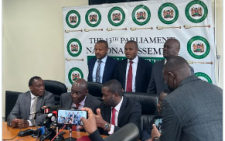
The National Assembly’s Departmental Committee on Health has also raised alarm over funding shortfalls and premium contributions in the Social Health Authority (SHA).
Speaking on Thursday, March 19, in Mombasa County, Seme Member of Parliament James Nyikal, who chairs the committee, said the funding shortfall threatens the sustainability of the medical scheme.
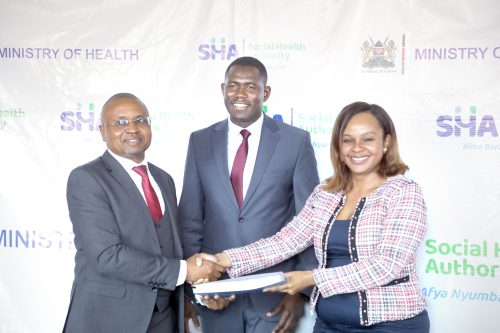
Nyikal noted that the revenue collected by the authority is not enough to meet its expenses.
According to the MP, SHA collects about Ksh7.4 billion monthly but spends Ksh7.2 billion on its expenses.
“The revenue that the Social Health Authority collects for the three funds is really not enough to meet its expenses. As things stand now, they are barely getting what they need to run. We are likely to face an issue of sustainability,” Nyikal stated.
Further reports by the auditor general emerged in early 2026 that Ksh11 billion was syphoned through the SHA system within six months, driven by fake claims, “ghost” patients, and unnecessary procedures, such as fraudulent caesarean sections. Over 1,000 health facilities have been closed for committing fraud.
Author
Latest News


Advertisement
More on Inside Politics