Wanjigi warns Kenya should not pay debt Parliament never approved
By David Nthua, July 2, 2026Businessman Jimi Wanjigi has warned that Kenya should not continue paying public debts that were never approved by Parliament or captured in the national budget.
He argues that such obligations cannot automatically be treated as sovereign debt binding on citizens.
Wanjigi told a local radio station on Thursday, July 2, 2026, that Kenya’s sovereignty is exercised through the Constitution and the law.
Jimi Wanjigi on Kenya’s debt
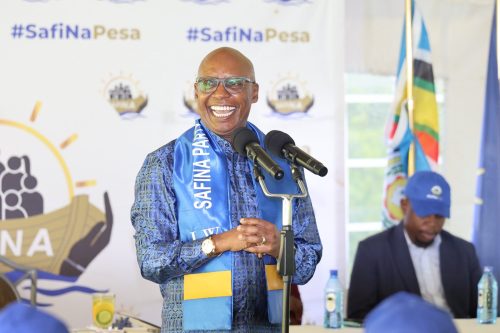
“Our laws bind our sovereignty. So if that is the case and there is debt that was not included in our budget or passed by Parliament, then it cannot be considered sovereign to us,” Wanjigi said.
The remarks place Wanjigi’s debt argument at the centre of Kenya’s 2027 political debate, where public borrowing, debt repayment and the cost of living are expected to become major campaign issues.
Wanjigi said Kenya is already in a bankrupt state and requires a full, transparent audit of its accumulated debt.
“We are in a bankrupt state. It will not take more than six months to properly audit the debt we have accumulated. We will also suspend the payment of odious debts to allow for a full and transparent audit of the country’s finances,” he said.
His position is politically explosive because it directly challenges the government’s debt repayment model.
Instead of treating every loan as sacred, Wanjigi wants the country to ask hard questions: who borrowed, who approved, where the money went, whether Parliament sanctioned the borrowing and whether Kenyans received value.
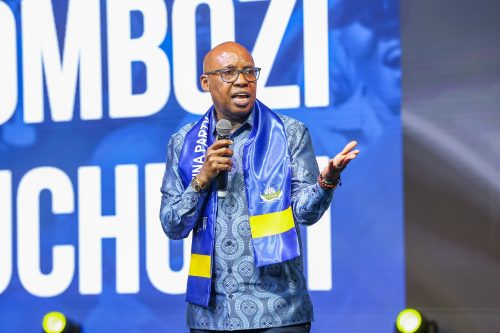
That argument is likely to resonate with citizens already carrying the burden of taxes, levies and reduced disposable income.
Kenya’s public debt
According to the National Treasury Public Debt Bulletin for April 2026, Kenya’s total public debt stood at KSh12.856 trillion.
Domestic debt stood at KSh7.186 trillion, while external debt stood at KSh5.671 trillion.
External debt service by the end of April 2026 had reached KSh633.08 billion, while domestic interest payments stood at KSh709.30 billion.
Those numbers show why the debt debate is no longer technical. It is political, economic and moral.
For Wanjigi, the issue is not just the size of the debt. It is legitimate.
Ruto criticism
Wanjigi also accused President William Ruto of suffering a credibility deficit among Kenyans.
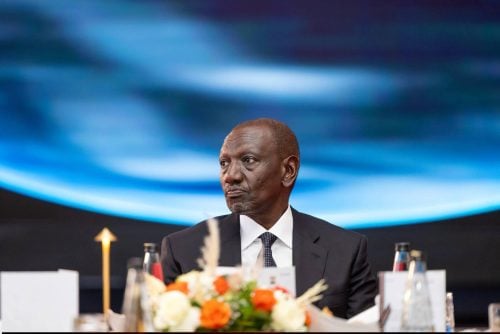
“William Ruto has a credibility deficit among Kenyans. What was called the United Opposition also lacks clarity. The attitude there was that the target was one person, but there was no clear alternative beyond that,” he said.
That statement was both an attack on Ruto and a warning to the opposition.
Wanjigi said removing Ruto cannot be the only agenda. He argued that Kenyans must be offered a clear alternative, including how the country will manage debt, protect citizens, and strengthen counties.
He also said that if elected president, he would allocate more money to counties.
“I, Jimi Wanjigi, if elected as president, would ensure that there is more money allocated to the counties,” he said.