Tensions rise as senators, governors position for 2027 election
By Aloys Michael, February 18, 2026As the political class quietly shifts focus to the 2027 General Election, tensions are rising between governors and senators in a rivalry that is fast redefining Senate oversight as a battleground for future gubernatorial contests.
There is a growing list of senators positioning themselves to challenge incumbent county bosses in 2027. What should be routine accountability sessions before Senate watchdog committees have now turned into high-stakes political showdowns, with accusations of intimidation, corruption and abuse of constitutional powers flying from both sides.
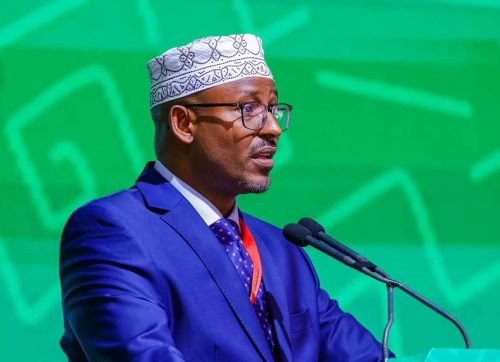
The standoff has escalated to the point where the Council of Governors (CoG) announced a boycott of Senate committee sittings. The council, chaired by Ahmed Abdullahi, accused senators of weaponising audit sessions to weaken governors ahead of the polls.
“The CoG notes with great concern the continuous political witch-hunt, harassment, intimidation, and humiliation of governors by certain senators when they appear before the Public Accounts Committee of the Senate,” Abdullahi said.
Governors insist that the oversight process has been compromised by clear conflicts of interest. Several senators who have publicly declared their interest in running for governor in 2027 sit in key watchdog committees such as the County Public Accounts Committee (CPAC). County chiefs argue that this dual role creates fertile ground for politically motivated scrutiny.
Among senators said to be eyeing gubernatorial seats are Danson Mungatana, Abass Sheikh, Fatuma Dullo, Enoch Wambua and Wahome Wamatinga. Others include Godfrey Osotsi, James Murango, James Lomenen, Kanar Seki, Boni Khalwale, Samson Cherargei and Okong’o Omogeni.
Notably, some of these aspirants, including Dullo, Cherargei, Wambua and Omogeni, serve in CPAC, the very committee that regularly summons governors to respond to audit queries.
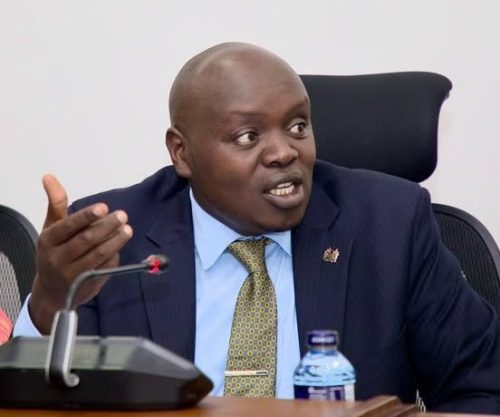
But senators have strongly rejected claims that their oversight is politically driven. CPAC chairman Moses Kajwang said scrutiny of governors is not optional.
“It is not an option. It is a duty we have to the public. Whether we like you or not, we shall continue fighting for more resources to go to counties and ensure they are properly accounted for,” Kajwang’ said.
Senate-governors tiff
The clashes have played out publicly in several counties, exposing deep personal and political rifts.
In Kitui, Wambua and Governor Julius Malombe have exchanged accusations over sand harvesting revenues.
In Nandi, Cherargei and Governor Stephen Sang have been locked in a bruising feud since 2023. During one heated session before the Senate’s County Public Investments Committee, Sang dismissed the senator’s questioning as “petty and scandalous,” while Cherargei insisted he was executing his constitutional mandate.
Isiolo has witnessed one of the most dramatic rivalries. Dullo’s fallout with Governor Abdi Guyo culminated in an impeachment attempt last year, which the governor survived. Dullo has since openly declared her intention to challenge him in 2027.
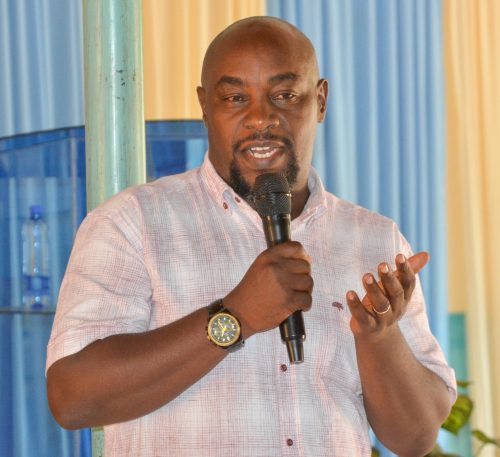
Other senators have accused governors of hiding behind politics to avoid scrutiny. Edwin Sifuna criticised the boycott, saying oversight cannot be suspended simply because governors feel uncomfortable.
“What is oversight? If we give you the money, you use the money, you have to account for it. When governors say they will not appear because they are embarrassed, they embarrass themselves by what they have been doing with public money,” he said.
Sifuna claimed some governors appear before committees unprepared, sometimes lacking basic documentation to defend their spending.
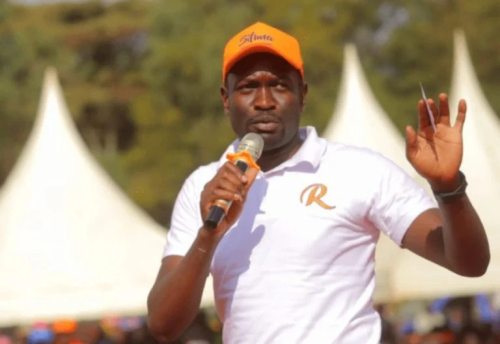
Cherargei linked the boycott to deeper corruption concerns, citing questionable priorities in county budgets.
“When you buy seedlings worth Ksh59 million in a drought-prone area and cannot explain why that was prioritised over water trucking, then you must answer to the people,” he said.
Audit expose
Recent audit scrutiny has revealed controversial expenditures across counties, including millions of dollars spent on ceremonies, décor, and events while critical development projects stall. Senators have seized on such findings as proof that tighter oversight is necessary.
Governors, however, see the publicity around these figures as campaign ammunition being deployed early.
Former CoG chairman Martin Wambora had earlier warned that audit reports risk being turned into political weapons in counties where senators harbour gubernatorial ambitions.
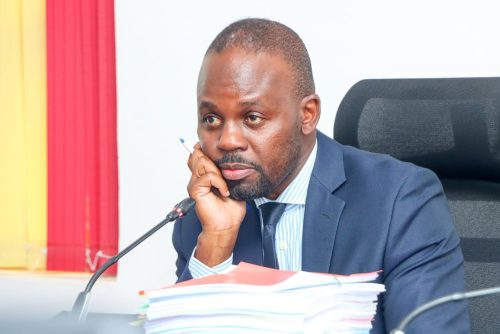
“We are concerned that senators are using audit reports as campaign tools. This is more prevalent in counties where they have gubernatorial ambitions,” Wambora said.
Under the Constitution, the Senate is mandated to oversee county governments and protect the interests of devolved units.
Since the advent of devolution in 2013, friction between the two levels of leadership has been common. However, the emerging 2027 succession politics appear to have deepened mistrust.
As more senators declare interest in county top seats, oversight sessions are likely to grow even more charged.
However, what remains unclear is whether the Senate and governors can recalibrate their relationship before political rivalry further erodes public confidence in devolution.