Sifuna: Governors are yet to submit evidence on claimed senate extortion
By Aloys Michael, February 25, 2026Nairobi Senator Edwin Sifuna has revealed that governors have not submitted evidence over the reported extortion and intimidation days after tension brewed.
The county chiefs had boycotted attending the Senate summons, prompting bickering from the Senate County Public Accounts Committee (CPAC) who challenged the Council of Governors (CoG) to present evidence to the investigative agencies and the August House.
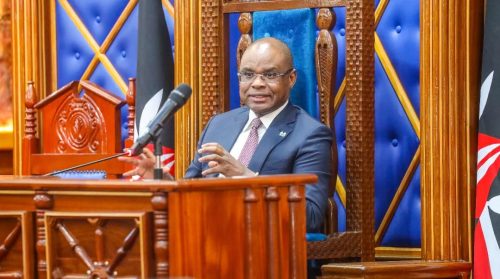
The CoG got a blow when Senate Speaker Amason Kingi described the accusations as inappropriate and inconducive to intergovernmental cooperation.
In a statement issued on Tuesday, February 10, 2026, Kingi said the Senate had noted with concern a press statement from CoG regarding the operations of two Senate oversight committees, the CPAC and the County Public Investments Committee (CPIC).
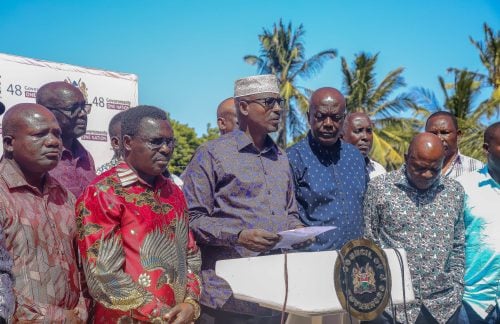
“The Senate further notes, with grave concern, the purported demand by the CoG for the reconstitution of CPAC, based on claims of political witch-hunts, harassment, extortion, and intimidation allegedly involving four unnamed members of the committee,” Kingi said.
The Speaker stressed that the Senate’s oversight role is firmly anchored in the Constitution, which empowers it to oversee the allocation and use of national revenue by county governments.
“Article 96(3) provides that the Senate determines the allocation of national revenue among counties and exercises oversight over its use. Article 96(1) confirms that the Senate represents the counties and serves to protect their interests,” Kingi noted.
Amid tension between governors and Senators on the 2027 elections, Sifuna, in an interview on a local Radio station on Wednesday, February 25, 2026, reiterated that the accusations were to taint the August House image and especially legislators who grill them on audit queries.
“Juzi wamekuja wakisema wakisema akina Sifuna wanatuharass, wanatoa orodha na unajua jina yangu lazima iwe apo. Nataka wakenya wajue tunatafutiwa makosa. Hadi unakumba rais alisema wakati moja ati tunachukua pesa lakini hadi wa leo hakuna Ushahidi,” he said.
He further highlighted that Senate audit committees are guided by Article 229 of the Constitution, which requires Parliament to consider and dispose of audit reports within three months of receipt from the Auditor-General.
“Compliance within this constitutional timeline is not optional, and any actions that impede the audit process undermine accountability and prudent use of public resources,” he said.
The clash?
Some of the county governors have been in the spotlight in recent years, particularly in their interactions with the oversight committees in the Senate of Kenya related to perceived abnormalities in the utilisation of public funds.
What was supposed to be simple accountability has soon turned into a political hotbed. Several governors, via the CoG, have resisted frequent Senate summonses, claiming some senators intimidate and harass, and some even claim to be extorted when brought to the committee by governors.
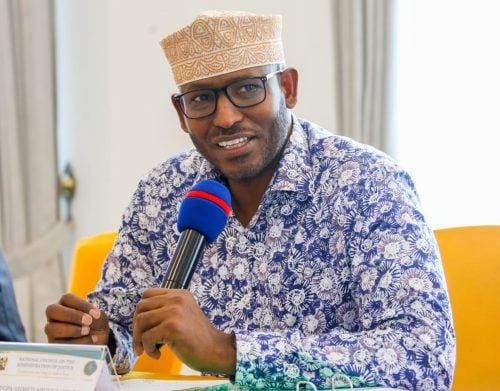
“The CoG notes with great concern the continuous political witch-hunt, harassment, intimidation, and humiliation of governors by certain senators when they appear before the Public Accounts Committee of the Senate,” CoG Chairperson Ahmed Abdullahi said.
What began as nothing more than an audit follow-up has frequently resulted in constitutional standoffs, claims of harassment, and larger arguments concerning corruption and political accountability in devolved politics.
The Constitution requires the CPAC of the Senate to review the financial statements prepared by the county governments and enquire of the county executives, including governors, on matters raised by the reports prepared by the Auditor-General.