Saying ‘Wantam’ could be declared unlawful – Kirinyaga Woman Rep Njeri Maina
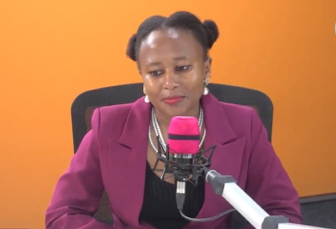
By Kiprono Keileb, October 23, 2025Kirinyaga women representative Njeri Maina has raised concerns over potential government overreach, saying that even casual phrases like “Wantam” could one day be declared unlawful. She made the remarks during a recent talk show hosted by a local television station on Thursday, October 23, 2024.
“Even saying ‘Wantam’ could be declared unlawful. I joke about it sometimes, but we know the Kenyan and African governments can’t be trusted with such power without supervision; that is a major concern for me,” Maina said.
The comment comes amid growing debates over freedom of speech and government regulation of online and public discourse. While the phrase “Wantam” has long been part of popular slang in Kenya, Maina warned that unchecked government powers could lead to ordinary expressions being criminalised.
Maina, who has consistently spoken on social issues affecting Kenyans, emphasised the need for vigilance and public oversight. She argued that governments must not be allowed to exercise unchecked authority over what people say in everyday life.
Also watch: Dennis Itumbi defends cybercrimes law, says it’s not new.
Maina’s warning addresses a broader issue in African democracies, where the balance between national security and personal freedoms is frequently debated. While no government official has signalled plans to ban popular slang, the conversation highlights growing public anxiety over free speech and the potential for arbitrary enforcement.
Maina’s remarks come in the wake of President William Ruto’s assent to eight bills, among them the Computer Misuse and Cybercrimes (Amendment) Bill, 2024, which has sparked widespread debate and concern among various stakeholders. The bill, which introduces new provisions on online conduct and digital accountability, has drawn mixed reactions, with critics warning that some of its clauses could infringe on freedom of expression, while supporters argue it is necessary to curb the growing wave of cybercrime and misinformation.
As Kenya continues to navigate questions around personal freedoms and government powers, voices like Maina’s serve as a reminder of the need for public engagement and transparency. Her warning resonates particularly in a digital age, where phrases, memes, and slang spread rapidly and can easily come under scrutiny.