Owalo demands accountability over claims of industrial sugar in retail markets
By Viola Kosome, April 18, 2026Presidential aspirant Eliud Owalo has raised concern over claims that industrial sugar meant for manufacturing may have been illegally diverted into Kenya’s domestic market, warning of possible serious public health and economic consequences if the claims are confirmed.
In a statement issued on Friday, April 17, 2026, Owalo said he was deeply disturbed by reports suggesting that industrial-grade sugar intended strictly for manufacturing processes could have found its way into direct human consumption.
He cautioned that if proven true, the matter would go beyond a regulatory breach and point to deeper systemic failures.
“Kenya will be confronted not merely with a regulatory lapse but with a matter of grave national concern,”Owalo said.
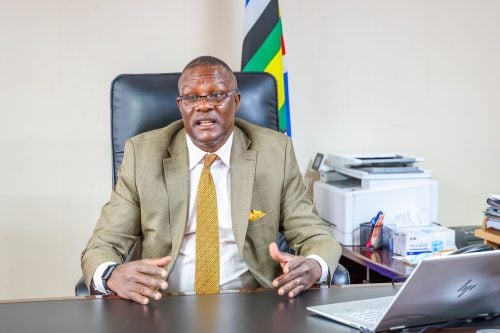
He added that such conduct would represent a serious threat to public health, a betrayal of consumer trust, and a deeply troubling indication that corruption, negligence, or collusion may have compromised the systems established to protect the Kenyan people.
He emphasised that industrial sugar is strictly designated for manufacturing use unless it meets specific safety and regulatory standards for food consumption.
He said this classification exists to safeguard public health and ensure compliance within the sugar value chain.
He warned that any deliberate diversion of such sugar into retail markets would constitute a serious violation of the law and reflect failure in oversight mechanisms.
“It would suggest that the safeguards established by law were either ignored, circumvented, or deliberately subverted,” he said, adding that the situation raises questions about enforcement and accountability.
Owallo’s concern
The former Cabinet Secretary further framed the allegations as a broader institutional concern, warning that they touch on the integrity and credibility of public systems.
“It speaks directly to the integrity of public institutions. It raises urgent concerns about the effectiveness of our import control systems, the reliability of our standards and inspection regime, and the credibility of those agencies and individuals charged with protecting the public,” he said.
Owalo called for swift investigations and decisive action against any individuals or entities found to be involved, urging anti-corruption agencies to establish whether public officials played any role in facilitating the alleged scheme.
He insisted that enforcement should be firm and impartial.
“Where evidence exists, arrests and prosecutions must follow swiftly and without fear, favour, or political interference,” he stated.
He also urged immediate intervention to protect consumers, including the identification, seizure, and removal of any suspect sugar from the market.
He further called for public transparency on affected consignments and distribution channels.
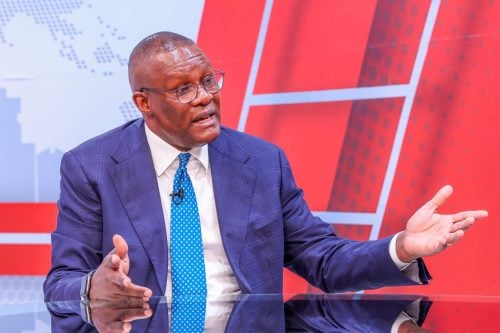
Economic consequences
Beyond regulatory action, Owalo warned that such malpractice could have far-reaching economic consequences, including distortion of markets, unfair competition, and damage to the local sugar industry.
“In effect, it harms consumers, damages the economy, kills the local sugarcane industry, erodes the disposable income of local sugarcane farmers and betrays trust in the rule of law,” said the presidential hopeful.
He further called for long-term reforms, including the establishment of a modern traceability system to monitor industrial sugar from importation to final destination, alongside stronger inter-agency coordination and stricter penalties for offenders.
He also called for accountability and vigilance, stressing that no individual or institution should be protected from scrutiny.
“There must be no sacred cows in this matter. No individual, corporation, or public official should be shielded from scrutiny. The safety and dignity of the Kenyan people are paramount and not negotiable,” he said.
He added that the matter should be treated as a defining test of Kenya’s commitment to protecting public health, restoring institutional trust, and upholding the rule of law.