Orange showdown: ODM at crossroads as NDC gets underway amid party cracks
By Ndiritu Wanjiru, March 27, 2026Nairobi, on Friday, March 27, 2026, is going to be the host of what can be described as the most significant and controversial political gathering in the Orange Democratic Movement (ODM).
The Special National Delegates Convention (NDC), which was traditionally a place of nominating leaders and devising strategic direction, has instead become a beacon of profound internal division and power rivalry.
Rather than a unified assembly, ODM goes into this crucial time with the two warring camps. There is the Linda Ground camp, which supports the convention at Jamhuri Grounds under the structures of the party.
This camp declares its procedure to be the correct one supported by party leader Oburu Oginga and party chair Gladys Wanga in order to rejuvenate leadership, instil discipline and settle outstanding differences.
According to the party insiders, this meeting was also set to deal with what the faction deems the uncooperative officials and also to restore sanity within the ODM camp.
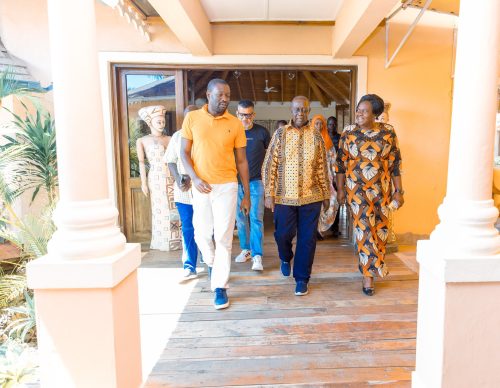
Linda Ground camp
In line with the so-called Linda Mwananchi faction, the detractors believe that the convention that was organised by the opposing camp has been described as being unlawful, undemocratic and procedurally unsound.
Headed publicly by such figures as Nairobi Senator Edwin Sifuna and Vihiga Senator Godfrey Osotsi, this group has publicly refused to join the formal NDC but has instead declared its own people’s dialogue convention to take place on the same date at Ufungamano House. This alternative, they assert, is more indicative of the will of the grassroots and shuns a process which they assert was hijacked by the insiders.
The schism has developed as a background to even more serious tensions. In recent months, the party leadership argument and the party constitutional procedure have been given an airing.
There were high-profile wrangles over the appointment and dismissal of Secretary-General Edwin Sifuna, legal tussles on the delegate list and new struggles on the leadership front, all contributing to a pretence of solidarity in the party that was once characterised by the charismatic leadership of late Raila Odinga.

The ODM rift has more than internal party mechanics. Being one of the biggest opposition blocs, the unity of ODM or disunity will determine the power balance within the opposition and whether they will be able to negotiate with the ruling government or not.
Recent political analysis has indicated that this internal fracturing can also challenge the external coalitions and the capacity of this party to project a single face ahead of the 2027 general elections.
To the representatives and spectators alike, what is going on today is not simply about the process of electing officials or resolving issues. They symbolise identity struggle, procedural integrity and relevance in a post-Raila Odinga era.
The manner in which the two camps are claiming their positions and the reaction by the Registrar of Political Parties or the courts of Kenya can actually be the way to go forward in providing documented precedents of how political parties in Kenya negotiate their internal democracy and leadership legitimacy.
Whether ODM will be stronger together after the conventions or whether the current confrontation will further widen the rift already tearing the party apart may remain the key question when the sun sets on Nairobi, and the conventions are over.