Advertisement
Most influential Kenyan politicians of 2025
Tuesday 16th December, 2025 03:05 PM|

Kenyan politics in 2025 have been anything but ordinary. The year has been shaped by dramatic events that shifted alliances, redefined power centres, and forced leaders to rethink their political paths. From the Gen Z-led protests that shook the government, to Cabinet reshuffles and the death of veteran opposition leader Raila Odinga, the country’s political landscape changed in ways few had predicted.
These defining moments produced a new class of influential politicians. Some tightened their grip on power amid the crisis, others rose through defiance, while a new generation positioned itself for the 2027 General Election.
William Ruto: Power under pressure
President William Ruto stands out as one of the most influential politicians of 2025. Despite facing the most intense public protests Kenya has seen in years, he managed to retain control of the government and steady his administration.
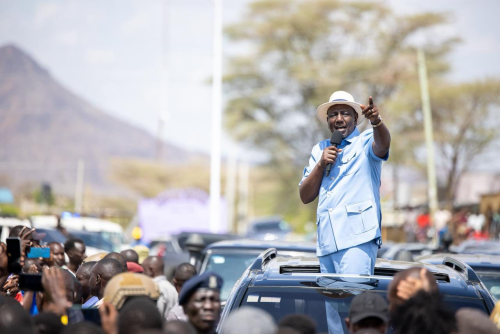
The Gen Z protests forced Ruto into a major Cabinet reshuffle, prompting bold and unexpected political decisions. One of the most significant was working more closely with the late former Prime Minister Raila Odinga under a broad-based government arrangement. For many Kenyans, the move marked a dramatic shift, given that Raila had been one of Ruto’s fiercest critics.
You Might Also Like
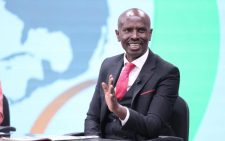

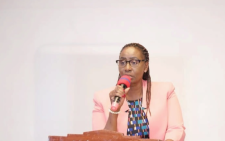
Ruto further surprised the country by appointing some long-time critics to powerful Cabinet positions, including key ministries such as the Treasury. His allies described the broad-based government as a milestone moment that reaffirmed the recommendations of the National Dialogue Committee (NADCO) report. These decisions helped Ruto stabilise his government while widening his political base.
Raila Odinga: Influence beyond life
Even in death, Raila Odinga remains one of the most influential figures of 2025. Before his passing on October 15, 2025, Raila had already reshaped Kenya’s political direction by backing the broad-based government and influencing the formation of the NADCO committee after the protests.
His death sent shockwaves across the country and deeply affected ODM, with his legacy becoming both a unifying force and a source of internal debate. Many Kenyans closely followed ODM’s activities, watching how the party would navigate life after Raila.
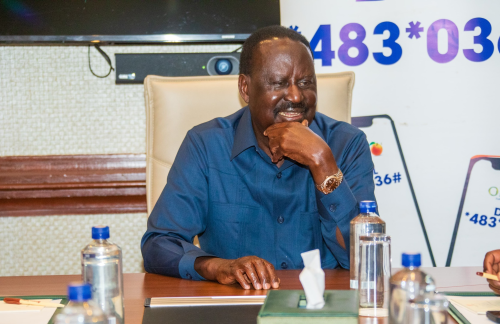
Siaya Senator and Raila’s brother, Oburu Odinga, rose sharply in influence after first being named acting party leader and later endorsed as the substantive ODM leader. He has since overseen key party activities while trying to steady ODM during a delicate transition.
At the same time, ODM has seen open dissent. Embakassi East MP Babu Owino and Nairobi Senator, who is also ODM Secretary General Edwin Sifuna, emerged as vocal critics of the broad-based government. Babu has openly pushed agendas that differ from the party’s official position, while Sifuna has consistently argued that ODM’s support for President Ruto was conditional on implementing Raila Odinga’s 10-point agenda. Both have remained among Ruto’s sharpest critics throughout the year.
United Opposition takes shape
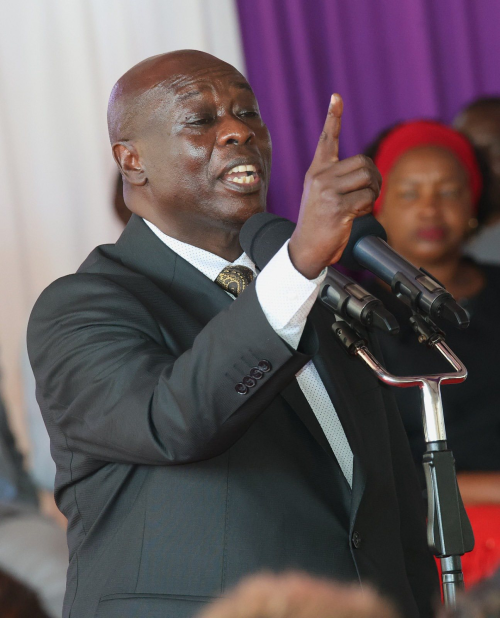
Former Deputy President Rigathi Gachagua is one of the most influential political figures in 2025, despite his dramatic fall from the centre of power. After his impeachment and exit from government, Gachagua reinvented himself as a vocal critic of President William Ruto’s administration, especially on issues affecting the Mt Kenya region and the entire country. He has positioned himself as the region’s and Kenya’s alternative political voice, rallying supporters through his new Democratic for Citizens Party (DCP), which has already managed to have representatives elected during the November 7, 2025, by-election. His ability to remain relevant outside government, mobilise grassroots support, and shape political debate within the county ensured that, even without state power, Gachagua continued to influence national politics in 2025. He is well known for political nicknames for his rivals e.gWantan Sloga, Kasongo, Githinji, among other humorous names.
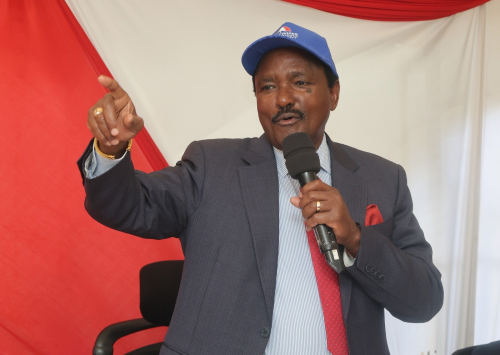
Opposition politics also evolved significantly in 2025. Wiper Patriotic Front leader Kalonzo Musyoka remained a central figure, with his party endorsing him as its presidential flag bearer in October. Since then, Kalonzo has travelled widely, popularising his party and positioning himself as a key player in the United Opposition.
Former Interior Cabinet Secretary Fred Matiang’i also gained influence after being endorsed by former President Uhuru Kenyatta’s Jubilee Party on October 30. Matiang’i has actively mobilised support ahead of 2027 and remains a major political force.
Democratic Party leader Justin Muturi also made waves. From resigning as Attorney General to fielding a candidate in the hotly contested Mbeere North by-election, Muturi demonstrated his continued relevance. The government’s deployment of senior officials to counter him showed the weight he still carries.
Former Chief Justice and United Green Movement leader David Maraga also entered the political arena, declaring his intention to challenge President Ruto in 2027, with anti-corruption as his central message.
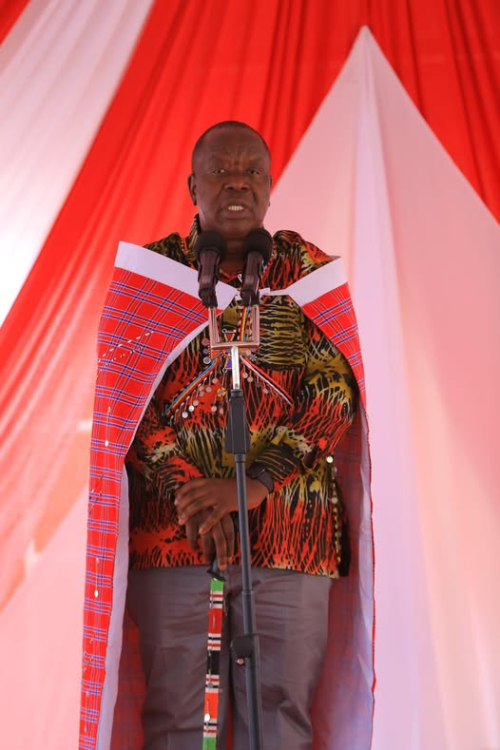
Meanwhile, Mumias East MP Peter Salasya captured national attention after announcing his presidential ambitions. Throughout 2025, Salasya remained vocal, criticising the government and outlining reforms he says would reshape the country.
A year that redefined influence
Ultimately, 2025 redefined political influence in Kenya. Power shifted, alliances were tested, and new voices grew louder. As the country moves closer to the 2027 General Election, the events and personalities of 2025 will continue to shape the road ahead.
Author
Latest News






Advertisement
More on Inside Politics