Advertisement
Kibwana demands accountability as feud between senators and governors wages on
Wednesday 08th April, 2026 09:10 AM|

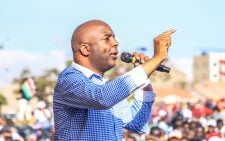
Former Makueni governor Kivutha Kibwana has waded into the escalating standoff between the Council of Governors (CoG) and the Senate of Kenya, urging both sides to uphold constitutional accountability while clarifying the distinct oversight roles of county assemblies and the Senate.
In an interview on a local TV station on Wednesday, April 8, 2026, Kibwana stressed that accountability remains a legal and moral obligation anchored in audit processes.
“Accountability is non-negotiable, as the law requires it to be upheld based on reports provided by the auditor-general. Our country is heading down a slippery slope due to corruption, which affects both the county and national levels,” he said.
His remarks come amid a protracted dispute over governors’ appearances before the Senate’s County Public Accounts Committee (CPAC), with the CoG recently resolving to boycott the sessions. The former governors argue that the process has been marred by intimidation and claim misconduct by some committee members.
You Might Also Like


Kibwana, however, sought to tighten the arguments by distinguishing primary and secondary oversight roles.
“Primary accountability should lie with county assemblies so that, once they have addressed and resolved a particular issue, the Senate does not revisit it,” he explained.
“The Senate’s oversight is focused solely on issues that remain unresolved. We should also state clearly that its role includes giving credit where it is due.”
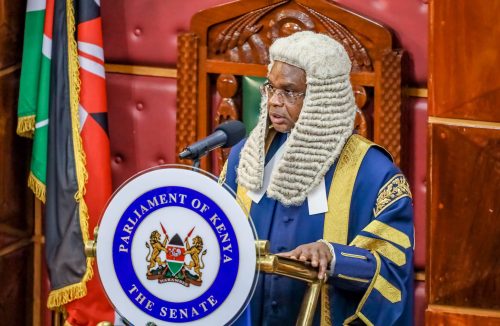
The dispute has drawn in key state actors, including Senate Speaker Amason Kingi, who has taken a firm stance on the matter.
Speaking during the Fifth Session Assessment and Planning Retreat in Naivasha, Kingi underscored the constitutional imperative of oversight.
“It is a contradiction to seek Senate support for enhanced revenue while resisting oversight on how those funds are spent. Accountability is not optional; it is a constitutional requirement,” he said.
The Senate’s position is grounded in Article 96(3) of the Constitution, which mandates it to protect county interests, not only by advocating for increased resource allocation but also by ensuring prudent use of public funds.
The standoff
Articles 96 and 125 further empower the Senate to summon individuals and exercise oversight over national revenue allocated to counties.
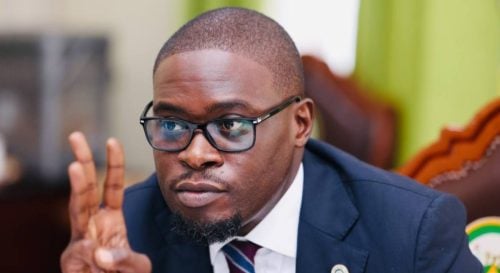
Despite this, tensions have continued to escalate. Senate proceedings took a dramatic turn when Speaker Kingi ordered the Sergeant-at-Arms to escort Samburu Governor Lati Lelelit to a police station after he was spotted within Parliament precincts despite an active arrest warrant. The warrant had been issued following repeated failure to appear before CPAC.
“In the meantime, I will instruct the Sergeant-at-Arms to escort the Samburu Governor to the nearest police station if he remains within the Parliament precincts,” Kingi ruled during a Senate sitting.
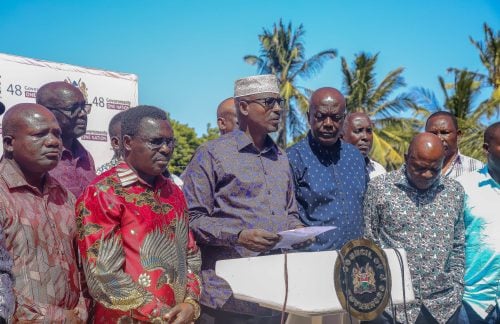
The incident highlights the deepening institutional rift, which has also seen CoG Chair Ahmed Abdullahi defend the governors’ collective stance. Abdullahi condemned what he termed as heavy-handed tactics by authorities, particularly in the attempted arrest of Nairobi Governor Johnson Sakaja.
“We state in the strongest terms possible that this matter is not a personal issue concerning one governor but a collective decision made by the council of governors following continuous extortion, unnecessary harassment, and intimidation by four members of the said committee,” Abdullahi said.
While acknowledging these concerns, Kibwana cautioned against using accusations as a blanket justification to defy constitutional processes. He maintained that any claims of misconduct should be handled independently without undermining oversight institutions.
“This, however, does not mean that allegations of misconduct against some members of the committee should be ignored. To me, they must be investigated independently, but they cannot be used as justification to avoid oversight,” he noted.
As the standoff persists, Kibwana’s intervention offers a middle-ground perspective, calling for respect of constitutional mandates while advocating for clarity in institutional roles.
Author
Latest News






Advertisement
More on Inside Politics