Advertisement
Jalang’o explains why direct nominations lead to voter apathy
Tuesday 28th July, 2026 06:39 PM|

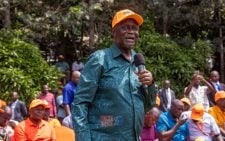
Lang’ata Member of Parliament P and Nairobi senatorial hopeful Phelix Odiwuor, popularly known as Jalang’o, has warned that issuing direct nominations to candidates contributes to voter apathy by discouraging supporters of aspirants who are denied the opportunity to contest party primaries.
Speaking during an interview on the AM TV Podcast on Tuesday, July 28, 2026, Jalang’o said direct nominations often leave supporters of candidates who had actively campaigned feeling betrayed after their preferred aspirants are dropped in favour of another candidate.
“If you give direct nominations or pick a candidate directly without party primaries, there are a lot of people who refuse to vote, causing voter apathy,” the lawmaker explained.
According to him, such supporters may choose to stay away from polling stations on election day in protest, ultimately affecting voter turnout.

You Might Also Like


Jalang’o argued that if political parties or coalition partners decide to issue direct nominations or agree on a single candidate, such decisions should be made well in advance of elections to avoid wasting candidates’ time and financial resources.
He cited the 2022 General Election, when businessman Richard Ngatia was persuaded to step down from the Nairobi gubernatorial race in favour of Jubilee candidate Polycarp Igathe following the Azimio coalition agreement.
Jalang’o noted that by the time the decision was made, Ngatia had already invested heavily in his campaign, including erecting billboards across Nairobi, only to be asked to withdraw from the race.
“These arrangements should be made early enough so that candidates do not spend huge amounts of money campaigning only to be told later that they will not be on the ballot,” he said.
Benefits of party primaries
The lawmaker further argued that party primaries remain the best way to identify candidates because they give aspirants a fair opportunity to compete.
He explained that candidates who lose fairly in party nominations are more likely to concede defeat and rally behind the winner, unlike in cases of direct nominations where supporters of sidelined aspirants often become disillusioned and boycott the elections, leading to voter apathy.
Ojienda’s perspective
This comes days after Kisumu Senator and Kisumu gubernatorial hopeful Tom Ojienda also criticised the use of direct nominations, arguing that the practice has repeatedly cost Raila Odinga politically.

Speaking separately, Ojienda said direct nominations discourage voters whose preferred candidates are denied the chance to compete, causing many of them to boycott the polls.
Ojienda’s explanation
He argued that political parties should allow all aspirants to compete fairly in party primaries, where the strongest candidate can emerge as the party’s flag bearer through a transparent and democratic process.
Author
Latest News







Advertisement
More on Inside Politics