Inside the strategic mind of Linda Mwananchi in opposition politics
By Aloys Michael, April 30, 2026With roughly 15 months to the 2027 General Election, Kenya’s political landscape is steadily heating up, and few formations are generating as much intrigue and anxiety among rivals as the Linda Mwananchi faction within the Orange Democratic Movement (ODM).
From the huge masses in rallies sending shivers through both pro-government camps and rival opposition factions, it is increasingly clear that the team has built a formidable base, particularly among Gen Z voters, a demographic poised to play a decisive role in the next election cycle’s matrix.
The key to this momentum is a calculated political strategy that blends grassroots mobilisation, sharp messaging, and generational appeal. Under the leadership of Nairobi Senator Edwin Sifuna, Linda Mwananchi has rapidly evolved into a vibrant and influential bloc reshaping public discourse and political engagement.
Its rallies, often marked by energetic crowds and disciplined organisation, signal more than just popularity; they reflect a deliberate attempt to build a citizen-driven political movement.
The faction’s rise to its communication strategy. By simplifying complex economic and governance issues into clear, relatable language, Linda Mwananchi has managed to connect with ordinary Kenyans facing mounting financial pressures.

Its consistent focus on bread-and-butter concerns, cost of living, taxation, governance, and social justice has positioned it as a voice of everyday struggles rather than elite political manoeuvring.
This clarity of purpose has allowed the faction to transcend traditional party lines, presenting itself as a citizen-centred movement rather than merely an internal ODM grouping. The result is a growing sense of ownership among supporters, many of whom view the platform as a direct channel for their frustrations and aspirations.
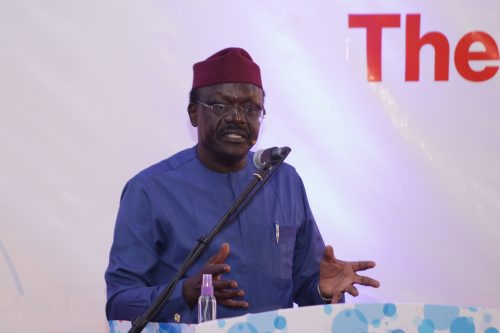
The faction’s rising prominence has not gone unnoticed. United Opposition spokesperson Mukhisa Kituyi says its strategic importance, noting that its influence cannot be ignored in any serious opposition coalition-building efforts.
“It is impossible to discuss a united opposition without factoring in Edwin Sifuna’s Linda Mwananchi; one cannot wish them away,” Kituyi said during a recent interview on a local TV station.
The 2027 charm offensive
Kituyi further contextualised the current fragmentation within the opposition, arguing that Kenyan political history often favours late-stage coalitions.
“Opposition in Kenyan history unites up to the day of the election. The most successful opposition unity, which came to power in 2002, was really formed some two or three months before the election,” he said.
This perspective suggests that Linda Mwananchi’s current independence may, in fact, strengthen its bargaining power ahead of eventual alliances.
Beyond rhetoric, the movement’s operational strategy reveals a dual-track approach: physical mobilisation through rallies and sustained digital engagement.
Social media has become a powerful amplifier, with short, impactful clips and commentary extending the reach of its message far beyond event grounds. This hybrid model has proven especially effective in attracting younger audiences, cementing its reputation as a Gen Z–friendly political force.

The composition of the faction also reflects a broader generational shift. By combining youthful leaders with seasoned figures like Siaya Governor James Orengo, Linda Mwananchi mirrors historical moments of political renewal, where emerging voices challenge entrenched systems from within. This blend of experience and youthful energy has helped the faction maintain credibility while pushing for reform.
However, its rise has not been without controversy. The movement has increasingly adopted a confrontational tone, with calls for nationwide protests framed as a response to economic hardship and governance concerns. Orengo has already announced plans for three consecutive days of protests in June, aligning them with the anniversary of Gen Z-led demonstrations.
“We do not fear any prison, we do not fear death. We do not fear anything but fear itself,” Orengo declared, framing the protests as part of a broader struggle for national transformation.
While this assertive posture has energised supporters, it also raises critical questions about sustainability. Can mobilisation translate into electoral victory? Will confrontational politics alienate moderate voters or strengthen the movement’s appeal?
As President William Ruto’s allies consolidate their strategy for 2027, the Linda Mwananchi faction represents both a challenge and a wildcard. Its ability to shape narratives, mobilise youth, and influence opposition unity places it at the heart of Kenya’s evolving political equation.
Whether it ultimately becomes the backbone of a united opposition or remains a disruptive force will depend on how effectively it balances activism with long-term electoral strategy