Gachagua criticizes ODM over 50% power-sharing demand
By Faith Lagat, March 1, 2026Former Deputy President Rigathi Gachagua has accused the Orange Democratic Movement (ODM) of hypocrisy over its push for a 50% power-sharing deal with the ruling United Democratic Alliance (UDA) ahead of the 2027 elections.
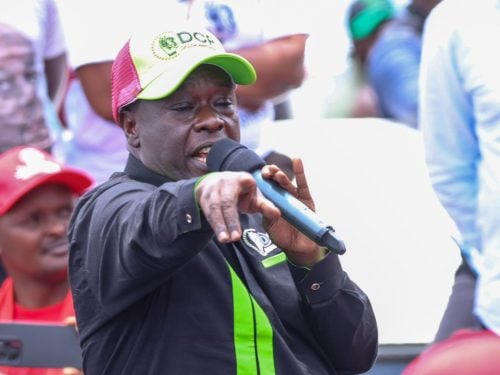
Speaking at a rally in Nyandarua County on March 1, 2026, Gachagua, now leading the Democratic Citizen Party (DCP), said ODM had previously opposed him when he advocated for equitable representation for the Mount Kenya region.
“Hawa watu wa ODM ndio walinifukuza eti kwa sababu niliongea mambo ya shares ya watu wa mlima. Sasa wanaitisha 50%. That is total hypocrisy,” he declared, drawing cheers from the crowd. He added that broken promises in earlier negotiations had fueled his criticism.
“That is total hypocrisy, because hiyo maneno ya hypocrisy tulikua tumeskizana na huyo mtu ya kua tukimpatia kura utupatie hii, akaanza kuhepa mi nilimwambia ile tuliagana utupatie,” Gachagua noted.
ODM defends coalition ambitions
On the same day, ODM leader Oburu Odinga addressed a rally in Migori, confirming the party’s authorisation to begin talks with UDA and other like-minded formations. Oburu said even the intention to start negotiations had unsettled some quarters, signalling heightened tensions ahead of pre-election discussions.
ODM’s National Delegates Council (NDC) meeting is scheduled for March 27, 2026, where strategy and the party’s 10-point agenda with UDA will be debated.
ODM National Chairperson Gladys Wanga emphasised that the party would accept nothing less than equal representation in any coalition, while Suna East MP Junet Mohamed highlighted aspirations for the deputy presidency under any future agreement. Oburu clarified the party’s interest in the deputy president seat, stressing that it was a public position open to negotiation.
Rising tensions over coalition deals
Gachagua’s remarks reflect broader frustrations with shifting alliances in Kenya’s political landscape. His impeachment in late 2024 had partly stemmed from demands for regional equity, which critics viewed as divisive.
Now, with ODM advocating for parity in potential pre-election deals with UDA, Gachagua frames the move as opportunistic flip-flopping. Analysts note that power-sharing negotiations in Kenya have historically sparked debates over ethnic and regional representation, and current rhetoric underscores the high stakes ahead of 2027.
While ODM insists its demands aim to strengthen governance and implement agendas, Gachagua portrays them as selective, condemning “shares” discussions when it benefits Mount Kenya but embracing similar demands when advantageous for the party.