Caroli Omondi questions transparency in G-to-G fuel import framework
By Faith Lagat, May 26, 2026Suba South Member of Parliament (MP) Caroli Omondi has raised concerns over Kenya’s Government-to-Government (G-to-G) fuel importation framework, questioning its transparency and effectiveness in delivering competitive fuel prices.
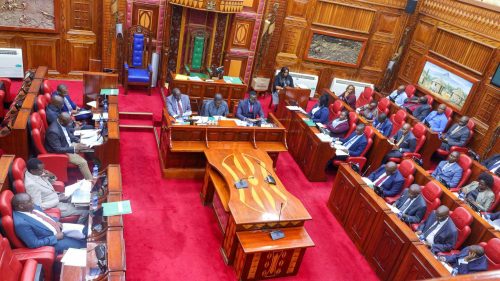
Speaking in parliament on May 26, 2026, Omondi said Kenya remains a regional outlier in fuel pricing despite having access to the sea, established petroleum infrastructure, multiple oil multinationals, and adequate storage facilities.
“As of today, inflation has climbed to 5.6 per cent, largely due to the high cost of fuel. The economy has had to absorb about Ksh20 billion over the last two months because of increased fuel costs, and the economic growth forecast has been revised downward to 5 per cent,” he said.
Omondi further pointed to the structure of the G-to-G arrangement introduced about three years ago, arguing that it lacks openness in pricing mechanisms. He noted that the premium on imports was fixed at about Ksh100 per tonne, equivalent to about Ksh60 per tonne above the global average, creating a Ksh40 per tonne difference.
“There is this animal we call G-to-G… It lacks transparency and has not secured competitive prices,” he said.
Bipartisan criticism of G-to-G fuel arrangement
The remarks come amid wider political scrutiny of the fuel import framework. Matungulu MP Stephen Mule, speaking during a television interview on May 25, questioned the structure of the arrangement, arguing that private companies have played a dominant role in the system. He said the intended state-to-state model should involve government entities such as the National Oil Corporation engaging directly with foreign state suppliers.
Mule added that the current system has restricted participation by private importers and reduced competition in the sector. He said, “If they are serious about G-to-G, we will not be in the crisis we are in.”
Dagoretti North MP Beatrice Elachi also raised concerns on May 20, 2026 calling for a review of the arrangement. She said the government should consider allowing private oil marketers to handle imports, noting that public dissatisfaction had become increasingly directed at state institutions. Former Deputy President Rigathi Gachagua has also criticised the system, describing it as ineffective in reducing consumer fuel costs.
Government defence
Energy Cabinet Secretary Opiyo Wandayi has defended the G-to-G framework, stating that it was introduced in 2023 under the previous administration. He noted that the first shipment under the arrangement was received in Mombasa and said the system was designed to ensure a steady fuel supply amid global market disruptions.
President William Ruto, speaking in Mombasa on May 22, 2026, said the G-to-G model has helped stabilise fuel supply, ease pressure on foreign exchange reserves, and support currency stability. Government officials have maintained that the arrangement provides safeguards against shortages and market volatility.
Despite this defence, debate continues over pricing, competition, and transparency in the petroleum sector, with lawmakers and stakeholders calling for further review of the framework.