Boniface Mwangi: We cannot afford another 5 years of Ruto
By Ndiritu Wanjiru, June 26, 2026Human rights activist Boniface Mwangi has urged Kenyans to sustain pressure on the government, arguing that collective public action is the only way to push for meaningful reforms and prevent what he described as another five years under President William Ruto’s administration.
Speaking in a morning interview with a local radio station on Friday, June 26, 2026, Mwangi said that the Gen Z protests commemoration on Thursday, June 25, 2026, had demonstrated the power of ordinary citizens to force those in authority to listen.
“You can teach someone a lesson by shutting down the country like we did yesterday,” Mwangi said.
“Let our anger transform this country, because if we do not change this country in the next year, we cannot afford another five years of Ruto. Kenya would be gone forever,” he added.
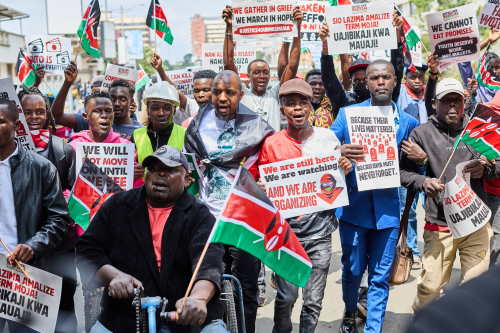
The outspoken activist called on Kenyans to channel the frustration and anger that have fuelled recent protests into sustained civic engagement aimed at demanding accountability and better governance.
According to Mwangi, the country stands at a critical crossroads, warning that the decisions made over the coming months will shape Kenya’s future for years to come. He argued that citizens should remain united in pressing for reforms rather than allowing public outrage to fade after demonstrations.
His remarks come against the backdrop of growing public discontent over governance, the economy, police conduct and accountability, issues that have repeatedly drawn thousands of Kenyans to the streets over the past year.
Mwangi has been among the leading voices supporting the youth-led protest movement, maintaining that peaceful demonstrations remain a legitimate constitutional tool for citizens seeking change. He has consistently called for greater government accountability and respect for human rights.
Mwangi calls for freedom of press
Mwangi also accused President William Ruto of interfering with media freedom, claiming that the government was using state resources to punish media houses perceived to be critical of the administration.
“And you guys are a good example. You can’t speak truth to power because you cannot pay your employees. After all, the government cannot pay you. So this person is using public coffers to punish a private company because he doesn’t like how they write their stories or how they air their stories, and that is pettiness of the highest order from a president. That is hurting many lives, but he does not care,” Mwangi said.
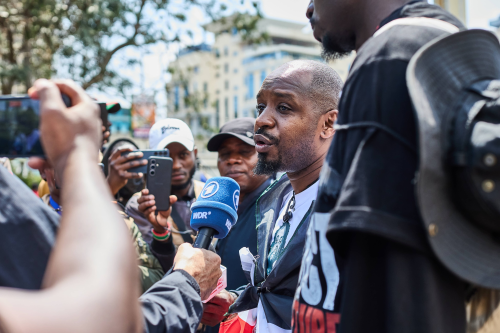
He argued that withholding government advertising or other state resources from private media organisations over critical reporting undermines press freedom and threatens the independence of the media.
According to the activist, a free press plays a crucial role in holding those in power accountable and should not face financial retaliation for its editorial decisions.
Mwangi’s remarks come amid an escalating standoff between the government and sections of the media following President Ruto’s recent criticism of the Standard Media Group over its coverage of his administration.