Advertisement
Bomet senator denies political influence in failed bid to oust Nyamira governor
Thursday 04th December, 2025 08:45 AM|
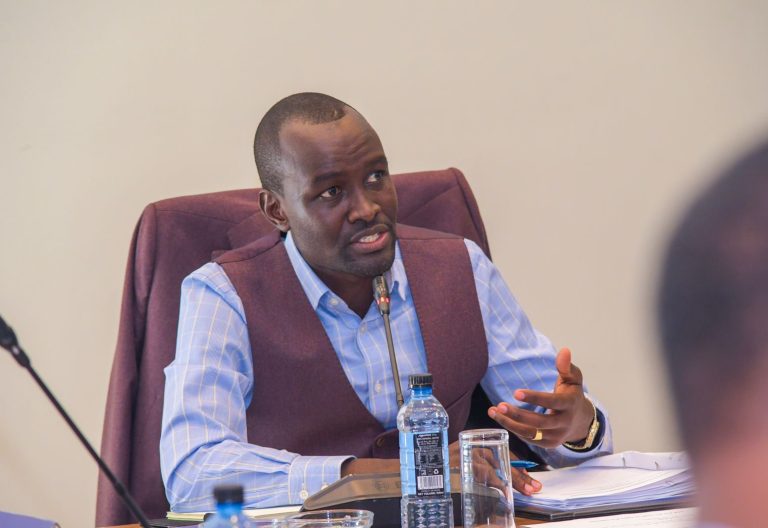
Bomet Senator Hillary Sigei has defended the procedure that spared Nyamira Governor Amos Nyaribo from being impeached on a fourth attempt on the floor of the chamber on Wednesday, December 3, 2025.
Speaking to a local TV station on Thursday, December 4, 2025, Sigei refuted claims that the process reeked of political undertones after the governor was pictured with several broad-based leaders from the Gusii region moments before the quasi-judicial session in the senate.
According to Sigei, the process was purely an issue of numbers.
“Impeachments are both a political and legal process, but the process had nothing to do with the politics. The issue was about the threshold, and it had nothing to do with political leanings or persuasion of the house,” he stated.
You Might Also Like

He also defended the decision by the senate Majority Leader Aaron Cheruiyot to move the motion through his submissions
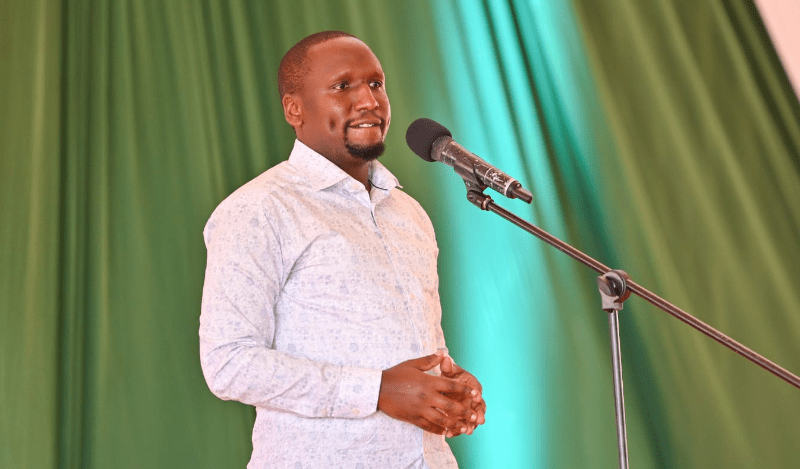
“For the Majority Leader (Cheruiyot) to move the motion is part of his responsibility, and as senator he is entitled to take a vote and also take a position. Him moving did not necessarily mean a political position was taken,” he added.
According to Sigei, the issue was extensively decided on merit and by the principles of laws governing the senate as a house of laws and precedents set by previous rulings.
House of oversight
“The law is the law; without it we have anarchy. The Senate is a house of record, and the impeachment relied on past precedents to rule upon,” he added.
His comments follow after Nyamira Senator Okong’o Omogeni voiced concerns over what he termed as a disturbing trend of the impeachment process being turned into an argument and a lobbying issue rather than impartial constitutional reviews.
Omogeni faulted the approach taken in Amos Nyaribo’s impeachment, specifically voicing his objection to Majority Leader Aaron Cheruiyot moving the impeachment motion.
“The issue I have with the procedure we are taking is that we are putting legal technicalities over substantive justice and reducing it to an issue of lobbying on matters of substantive justice. We need to allow MCAs even when we have technicalities of the attempt to stop the process,” he stated.
Author
Latest News





Advertisement
More on Inside Politics