Advertisement
Policymakers urged to prioritize youth involvement in Agricultural Policy Formation
Friday 09th February, 2024 05:50 AM|
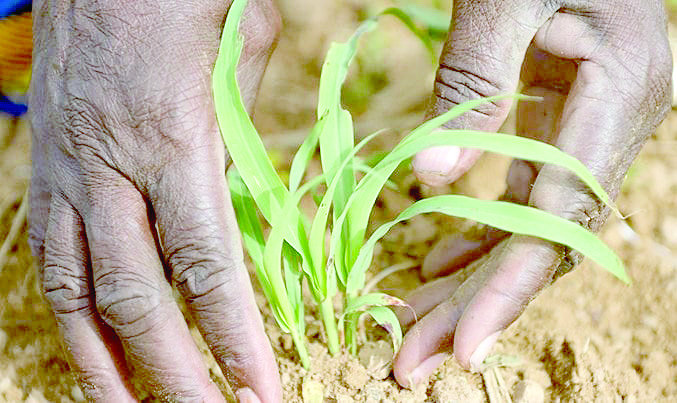
Centre for African Bio-Entrepreneurship (CABE) Executive Director Patrick Odame has emphasized the importance of incorporating youth perspectives into agricultural policy-making, recognizing their potential to significantly impact the sector.
Speaking during the Utafiti Seria VI launch: Youth Employment Creation IV, Odame highlighted the necessity of understanding the desires and capabilities of youth and integrating them into policy formulation processes.
“It’s important to consider what youth want and where they can fit in. Even if they are not involved in production, they can participate in the high end of the value chain to make a meaningful impact. However, many existing policies do not address youth issues,” Odame stated.
He identified key challenges hindering youth engagement in agriculture, including the lack of land and information. Odame stressed that youths face obstacles such as informal operations and difficulty accessing credit, underscoring the need for educational opportunities to empower them to advocate for policies that benefit their demographic.
Despite these challenges, Odame believes that youth can leverage technology to enhance productivity and market understanding, emphasizing the potential for knowledge dissemination and innovation sharing among peers.
“However, youth can leverage technology to develop knowledge products that can be disseminated to others. By leveraging technology, they can access information on modern innovations to improve productivity and understand market performance and pricing to make profits,” he added.
“We, at CABE, have engaged with youth and found that about 1.5 million are either dropping out of school or completing their education but are unable to create jobs due to a lack of knowledge and skills. There is limited data about youth SMEs, and business formalization is low, hindering their ability to attract investors and access markets. Thus, policy interventions are needed to involve youth effectively.”
He also highlighted the significance of networking opportunities for youth in agriculture, emphasizing the role of initiatives like Utafiti Seria VI in facilitating connections and idea exchange among youth from different regions.
Odame urged the government to develop youth-friendly policies and provide incentives to encourage greater youth involvement in agriculture.
“Youth engagement is also low in medium and small enterprises. We’ve collaborated with the Partnership for Social Governments Research, an international organization, to develop an innovative idea called Utafiti Sera, a research-policy community. This initiative aims to produce research evidence to inform pro-youth policies and encourage youth engagement in agriculture,” he stated.
He further discussed the importance of specific value chains, such as mangoes, potatoes, and avocados, in providing job opportunities for youth, emphasizing the need to capitalize on the potential of these sectors.
“Mangoes grow well in semi-arid areas where job opportunities are abundant, as is the case with potatoes. Regarding avocados, Kenya ranks sixth in production. Avocados have shifted from traditional growing areas,” he concluded.
Author
Print Reporter
View all posts by Print ReporterLatest News








Advertisement
More on Business