Manufacturers push govt to stop annual tax changes for investment stability
By Aloys Michael, February 18, 2026The manufacturing sector is urging the government to maintain stable business taxes, highlighting that predictable fiscal policies are crucial for attracting long-term investment.
During the launch of the Manufacturing Priority Agenda (MPA) 2026 on Tuesday, February 17, 2026, leaders from the Kenya Association of Manufacturers (KAM) emphasised that frequent tax changes undermine investor confidence, complicate long-term business planning, and threaten the competitiveness of Kenyan exports.
Industry experts argue that a consistent tax framework could drive sustainable growth and position Kenya as a more attractive investment destination.
KAM Board Vice Chair, Hitesh Mediratta, urged the government to prioritise predictability in business policies to attract investment and boost industrial output. The call was part of the new MPA 2026, which outlines key policy recommendations for sector growth.
The report notes that manufacturing contributes 7.3 per cent to Kenya’s GDP and remains vital for jobs, exports, and value addition. However, firms continue to face high production costs, regulatory hurdles, and delayed VAT refunds, challenges worsened by shifting tax regimes.

Mediratta emphasised the need for a deliberate industrial strategy and stronger export focus to enhance competitiveness and support long-term investment in the sector.
“Countries that prioritise manufacturing reap tangible economic benefits. Kenya must take the cue and decisively strengthen support for its manufacturing sector by enhancing competitiveness and advancing export-led growth,” he said.
“In 2024, Kenya exported goods worth over Ksh1.1 trillion, with 38.3 per cent of those exports destined for African markets, showcasing the continent’s strategic importance for our locally manufactured products.”
By fully capitalising on frameworks like the African Continental Free Trade Area (AfCFTA) and the East African Community (EAC), while tackling non-tariff barriers and reducing production costs, Kenya can boost intra-African trade, realise economies of scale, and strengthen its position as a regional manufacturing hub.
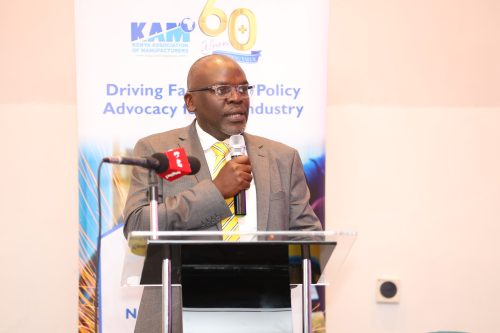
The Association emphasises that maximising the benefits of the AfCFTA and EAC goes beyond ambition, requiring stable taxation and clear, consistent policy direction.
KAM Chief Executive Tobias Alando also highlighted that the MPA 2026 serves as a results-oriented roadmap for achieving these strategic objectives.
“The Manufacturing Priority Agenda 2026 is not simply a policy document. It is a structured articulation of what must happen if manufacturing is to play its rightful role in Kenya’s economic transformation,” Alando said.
“By improving competitiveness, strengthening export capacity, integrating SMEs into value chains, and aligning agriculture with industry, we create a positive domino effect that accelerates investment, job creation, and sustainable growth.”