KEBS exempts over 35,000 Kenyan businesses from standard levy
By Boniface Msangi, November 21, 2025Over 35,000 businesses have fallen out of the scope of the paying standards levy as the Kenya Bureau of Standards (KEBS) starts to implement reforms through the new Standards Levy Order 2025.
Speaking on Friday, November 21, 2025, during a standard levy order 2025 stakeholders’ engagement in Mombasa, KEBS Director, Finance and strategy- Adan Mohamed said the engagement tends to bring manufacturers and all other stakeholders into agreement to comply with the requirement, which mandates payment of standard levy and protects consumers against substandard products.
“We have revised the rates to look into the welfare of everyone that pays standard levy from mama mboga to big manufacturers, with these reforms will ensure consumers do not gate substandard goods,” Mohamed said.
The Standards Levy Order, which was gazetted and commenced operation on August 8, 2025, has initiated a review of levy rates to promote business and ensure high-standard products.
It replaced the Standard Levy Order 1990, which was revised in 1999, coming up with new revised rates that will promote business and manufacturing in the county.
“Under the new levy order, the lower limit has been reviewed up to five million Kenyan shillings. If you are making a revenue of up to five million shillings per year, you are exempted from paying the standard levy,” the KEBS boss explained.
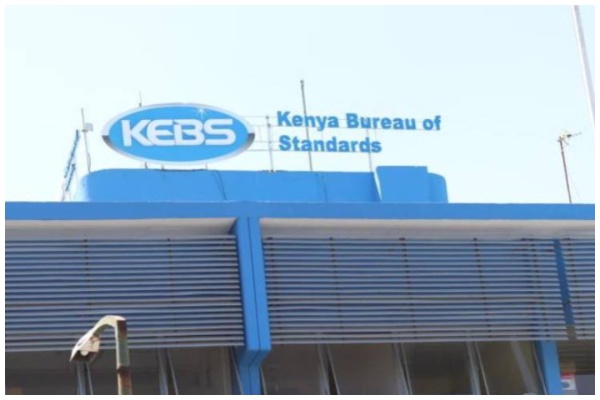
On his part, Josphat Bangi, the regional manager South Rift region, said consumer protection is critical; that is why KEBs invested heavily in the new standard levy order, its infrastructure, and laboratory equipment in an effort to ensure all consumers are protected from substandard products.
The standard levy order
The First Schedule in the 2025 Order is extensive, covering six parts: Building and Construction, Textiles, Mechanical Engineering, Electrical Engineering, Food and Agriculture, and Chemical Industries.
KEBS clarified that imported products will be subject to the levy only if they undergo local value addition. Pure import and resale activities are considered trade and are not subject to the Standards Levy.
The Order establishes a levy of 0.2 per cent on the value of monthly turnover or the customs value of goods manufactured or services offered for sale, calculated net of VAT, excise duty, and discounts. This amount must be deducted at source.
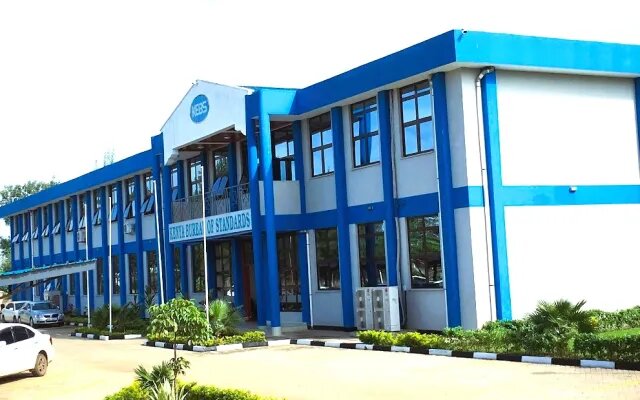
An exemption is granted if the total annual value of goods or services does not exceed Ksh5 million, net of VAT, excise, and discounts.
This provision protects micro and small enterprises from immediate levy obligations, enabling small-scale producers and start-ups to remain exempt from the levy until their turnover exceeds the threshold.
An annual cap has been established on the levy payable, restricting total payments to Ksh4 million each year for the first five years after commencement, then increasing to Ksh6 million thereafter.
For large manufacturers, this sets a higher but fixed annual ceiling, replacing the previous limit of Ksh400,000.