Inside HELB’s KRA partnership helping recover Ksh20B from 380,000 student loan defaulters
By Aloys Michael, July 9, 2026The Higher Education Loans Board (HELB) is banking on a new partnership with the Kenya Revenue Authority (KRA) to recover billions of shillings in unpaid student loans, particularly from borrowers working in Kenya’s informal sector.
The move comes as HELB intensifies efforts to recover an outstanding loan portfolio of Ksh20 billion owed by more than 380,000 student loan defaulters, many of whom are self-employed, operate small businesses or earn income outside the formal payroll system.
Unlike salaried employees, whose HELB loan repayments are deducted directly from their salaries, informal sector workers have remained difficult to track because they are not captured under traditional payroll deduction mechanisms. This has left a significant gap in the board’s loan recovery efforts for years.
HELB Chairperson Ekwee Ethuro said the partnership with KRA is expected to change that by leveraging the tax authority’s extensive digital systems and wider reach to identify financial activity linked to loan beneficiaries who have defaulted.
“That’s why we are exploring the partnerships, and the KRA partnership is a very viable one. They have better systems, a greater outreach, and if you buy something, KRA will be knocking on your door,” Ethuro said in an interview on a local TV station on Wednesday, July 8, 2026.
According to Ethuro, KRA’s data-driven enforcement capabilities make it a natural partner in expanding HELB’s recovery efforts beyond the formal employment sector. He noted that the tax authority can detect financial footprints through various transactions and major purchases, giving it greater visibility into economic activity that HELB cannot independently access.
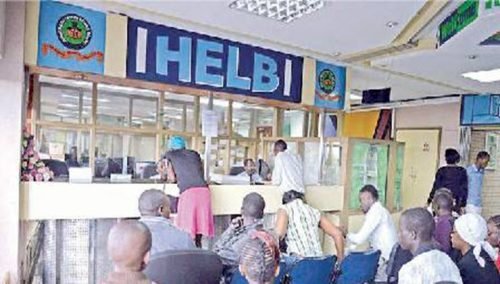
The partnership is expected to help HELB trace borrowers in the jua kali sector, gig economy and other informal businesses who have continued earning income but remain outside the board’s conventional repayment channels.
The renewed recovery strategy comes as HELB reveals that more than 124,000 borrowers are classified as chronic defaulters, including over 83,000 people who have not serviced their loans for more than 10 years. Many of these long-term defaulters have already been listed with Credit Reference Bureaus (CRBs), limiting their access to credit and other financial services.
While youth unemployment has contributed significantly to loan defaults, HELB insists the new approach is aimed at improving compliance rather than punishing borrowers. The board says the objective is to create a fair repayment system that enables beneficiaries who have since established businesses or alternative income streams to honour their obligations.
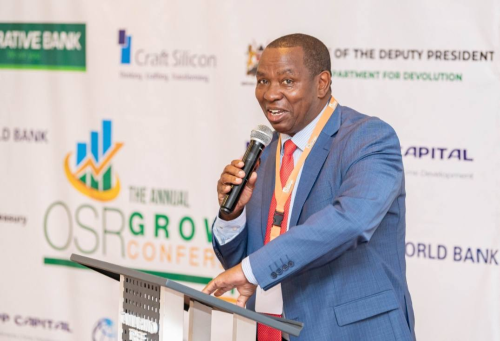
The collaboration builds on an existing arrangement between HELB and KRA that targets the formal employment sector. Employers are required to identify workers with outstanding HELB loans, deduct repayments from their salaries and remit the funds to the board by the 15th day of every month.
In March 2026, HELB stepped up enforcement against non-compliant employers by introducing penalties for organisations that fail to declare employees with outstanding loans or remit the required deductions. Such employers now face a monthly fine of Ksh3,000 per affected employee, backdated to the employee’s date of employment.
Beyond employer compliance, HELB says it has also embraced fintech solutions and stronger collaborations with institutions to improve loan collections. The board believes combining technology with KRA’s data capabilities will significantly enhance its ability to recover unpaid student loans while expanding repayment compliance among borrowers in the informal sector.
If successfully implemented, the HELB-KRA partnership could fundamentally change how student loans are recovered in Kenya, extending enforcement beyond salaried workers to borrowers earning through businesses, freelancing and the wider informal economy.