Advertisement
Experts: Kenya is not broke but difficult times lie ahead
Wednesday 21st September, 2022 12:06 AM|
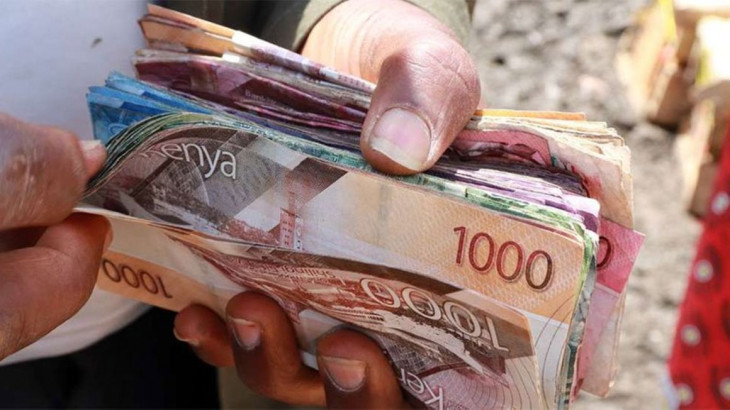
The announcement by National Treasury that it had just Sh93 million account balance by the end of August has stirred up concerns over the likelihood of economic turbulence in the coming months even as analysts move to allay fears.
Treasury on September 16, through the Kenya Gazette released the statement of actual revenues and net exchequer issues as of August 31, 2022 with Cabinet Secretary, Ukur Yatani, indicating that the exchequer balance as of August 31 was Sh93.7 million. As a result Nandi Senator Kiprotich Cherargei among others sounded a death knell, saying the country was broke, citing the gazette notice balance.
“The economy is no longer in ICU but death because H.E Ruto found only 93.7m at the Treasury, Uhuru went home with everything. State Capture is real!. The country is broke Kenyans be patient. H.E Ruto shall fix this through economic transformation and prayers from all of us,” he said. Analysts, however, said that the situation was not dire as many had thought, arguing that the government was not in default of any of its obligation yet and that this was not the first time Treasury had such a low balance.
“The government hasn’t defaulted on any obligations yet. The balances in the last three months have been at their lowest levels since July 2018. Revenues and expenses do increase as the year progresses,” said Mwango Capital, a financial research firm.
Separate data shows that in the year 2013/14 Treasury was actually in a negative balance territory but it should be noted that the country’s fundamentals were way more stable.
Savings account
Analysts also argued that the government is not broke, adding that the government is not like an individual with a savings account where all his wealth is held there.
“The government consolidated account is not the savings account where you can examine how much the country saves in a given month,” according to Macharia wa Mwihaki, a finance expert.
He said the consolidated account is an analysis of the surpluses or deficits left over after subtracting receipts from spending at both levels of government. “The country is steady,” said Mwihaki, “with the taxman at over Sh146 billion and an excess of Sh93 million in the consolidated account.”
Analyst Churchill Ogutu said the accounts were also low partly because the National Treasury was priced out of the Eurobond market earlier this year. Kenya has been faced with a difficult bond market with interest rates in the Eurobond market rising to over 20 per cent while local rates continue to rise hitting 14 percent for the 10-year bond.
“Main reason Treasury coffers are low in June to August is it was priced out of Eurobond in FY21/22. And that’s the proximate cause of the lagged capex spend and county equitable share last financial year,” he explained.
Under President William Ruto, debt repayments will for the first time surpass the national government’s recurring spending on things like public servant wages in the financial year that began in July, highlighting the cost of growing State sanctioned by President Uhuru Kenyatta.
Kenya will spend Sh1.36 trillion yearly on debt repayment, up from Sh1.15 trillion in the last fiscal year, according to Treasury officials’ projections in the previous supplementary budget by the parliamentary finance committee.
Author
John Otini
View all posts by John OtiniLatest News







Advertisement
More on Business