Advertisement
EPRA hikes fuel prices in July-August review
Monday 14th July, 2025 09:21 PM|
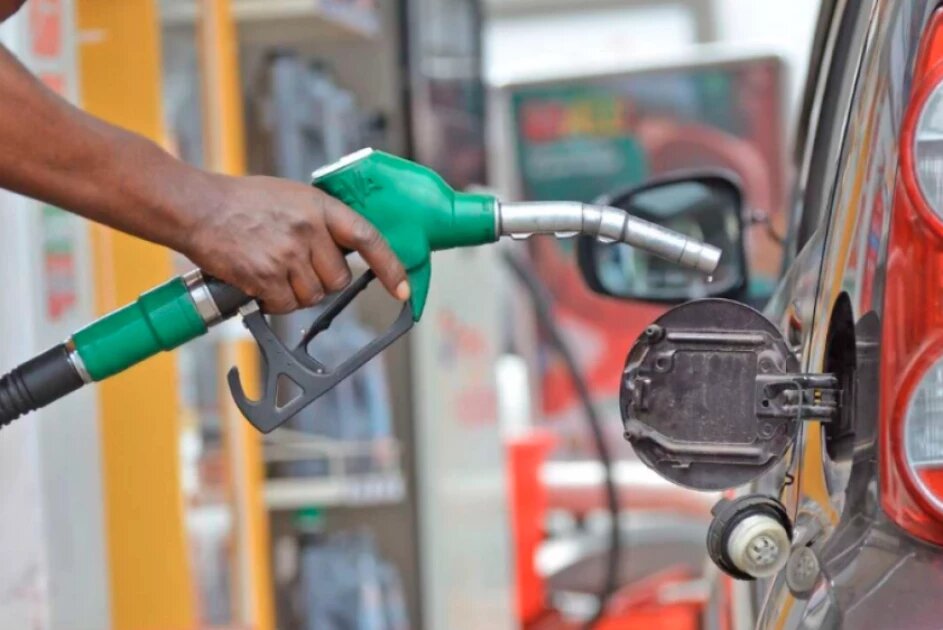
Kenyans will, from Tuesday, July 15, 2025, pay more for fuel after the Energy and Petroleum Regulatory Authority (EPRA) announced a sharp increase in the maximum pump prices for petroleum products.
The hike, which runs through to August 14, 2025, comes as global fuel costs continue to climb, further tightening the financial pressure on motorists and households already grappling with a high cost of living.
The pricing adjustment was confirmed in a statement issued by EPRA on Monday, July 14, 2025, through its official X platform. The changes are in line with the Petroleum Act 2019 and Legal Notice No. 192 of 2022, which guide fuel price reviews in Kenya.
Motorists hit hardest
Under the new pricing schedule, Super Petrol will now retail at Ksh186.31 per litre in Nairobi after rising by Ksh8.99. Diesel will cost Ksh171.58 per litre, reflecting an increase of Ksh8.67, while the price of kerosene goes up by Ksh9.65 to retail at Ksh156.58.
You Might Also Like



In the last review, the regulator increased Super Petrol by Ksh2.69 per litre while Diesel and Kerosene prices dropped by Ksh1.95 per litre and Ksh2.06 per litre, respectively.
Consequently, EPRA announced that super petrol would retail at Ksh177.32, diesel at Ksh162.91, and kerosene at Ksh146.93 per litre in Nairobi during the review ending on Monday, July 14, 2025.
The new figures factor in a 16 per cent Value Added Tax (VAT), as stipulated in the Finance Act 2023 and the Tax Laws (Amendment) Act 2024, alongside inflation-adjusted excise duty rates.
Landing cost
EPRA said the latest rise is a reflection of the higher average landed costs of imported fuel between May and June 2025. Super Petrol saw a 6.45 per cent increase in its landed cost, jumping from US$590.24 to US$628.30 per cubic metre. Diesel rose by 6.27 per cent, while kerosene recorded the sharpest spike of 6.95 per cent during the same period.
In its statement, the regulator noted that Kenya’s dependence on imported refined fuel means local prices are heavily influenced by international markets. The higher landed costs mirror the sustained global oil rally over the past two months, driven by geopolitical uncertainty and production cuts by major oil-exporting countries.
The authority reiterated that it operates within a pricing formula that is legally defined and meant to protect consumers while balancing industry sustainability.
As Kenyans brace for yet another round of increased fuel costs, EPRA has urged consumers to review detailed retail and wholesale prices for various towns and depots from the annexes available on its website and official communication channels.
With transportation and production costs likely to rise in tandem, the ripple effect of the new prices is expected to be felt across multiple sectors of the economy.
Author
Latest News






Advertisement
More on Business